
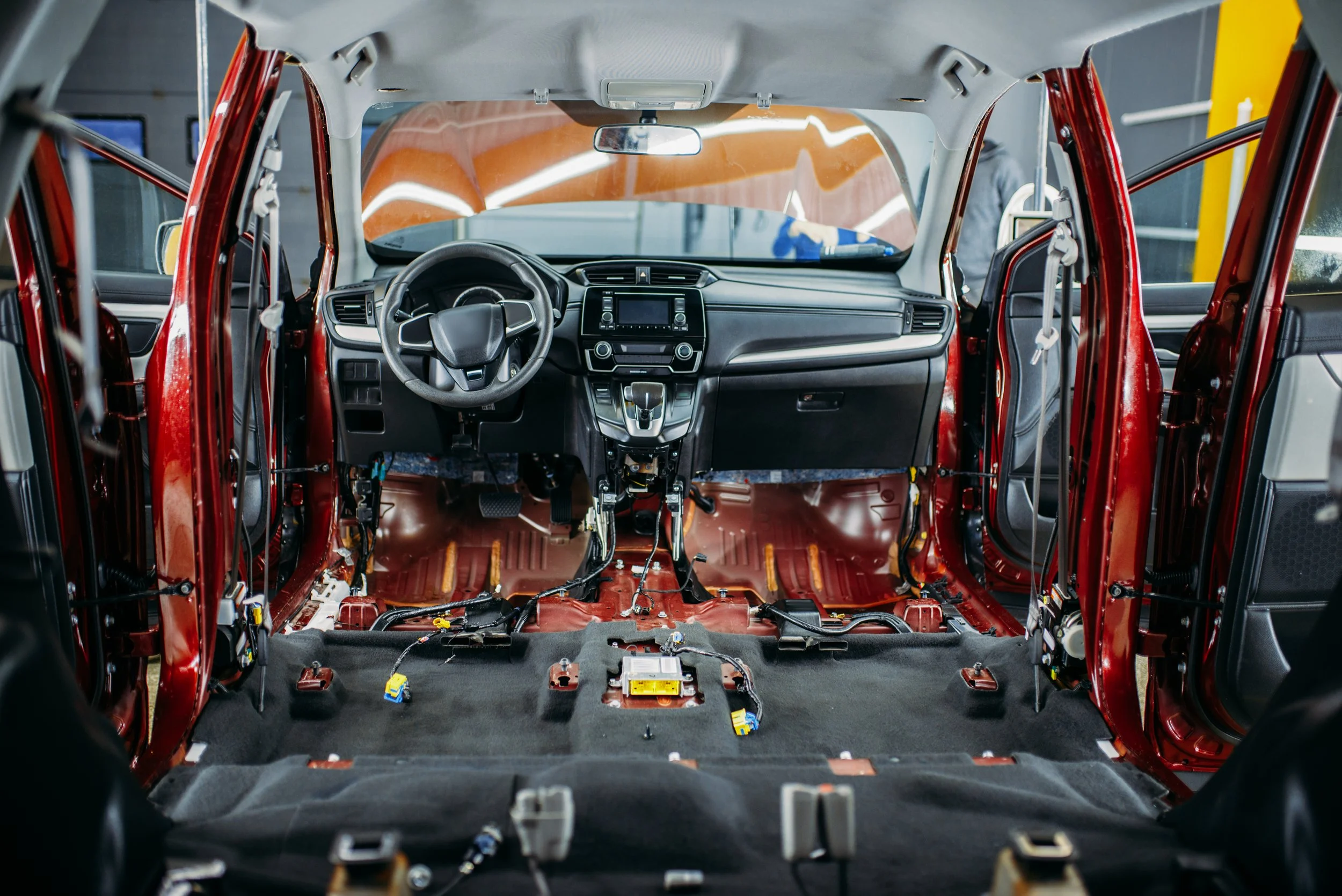
System Integration Testing
System Integration Testing to Validate ECU Interaction and Vehicle Behaviour. When multiple ECUs, networks, and features come together, issues often appear late. VTS supports OEM and Tier 1 teams with system-level validation to confirm functionality, diagnostics, and robustness under real-world and edge-case conditions.
Validate individual ECUs early, then upgrade your system integration testing with a fully commissioned lab car environment.
We provide experienced engineers and structured test approaches to support ongoing development programmes or new platform launches. Our teams integrate with OEM and Tier 1 groups onsite or remotely to help hit technical and delivery targets.
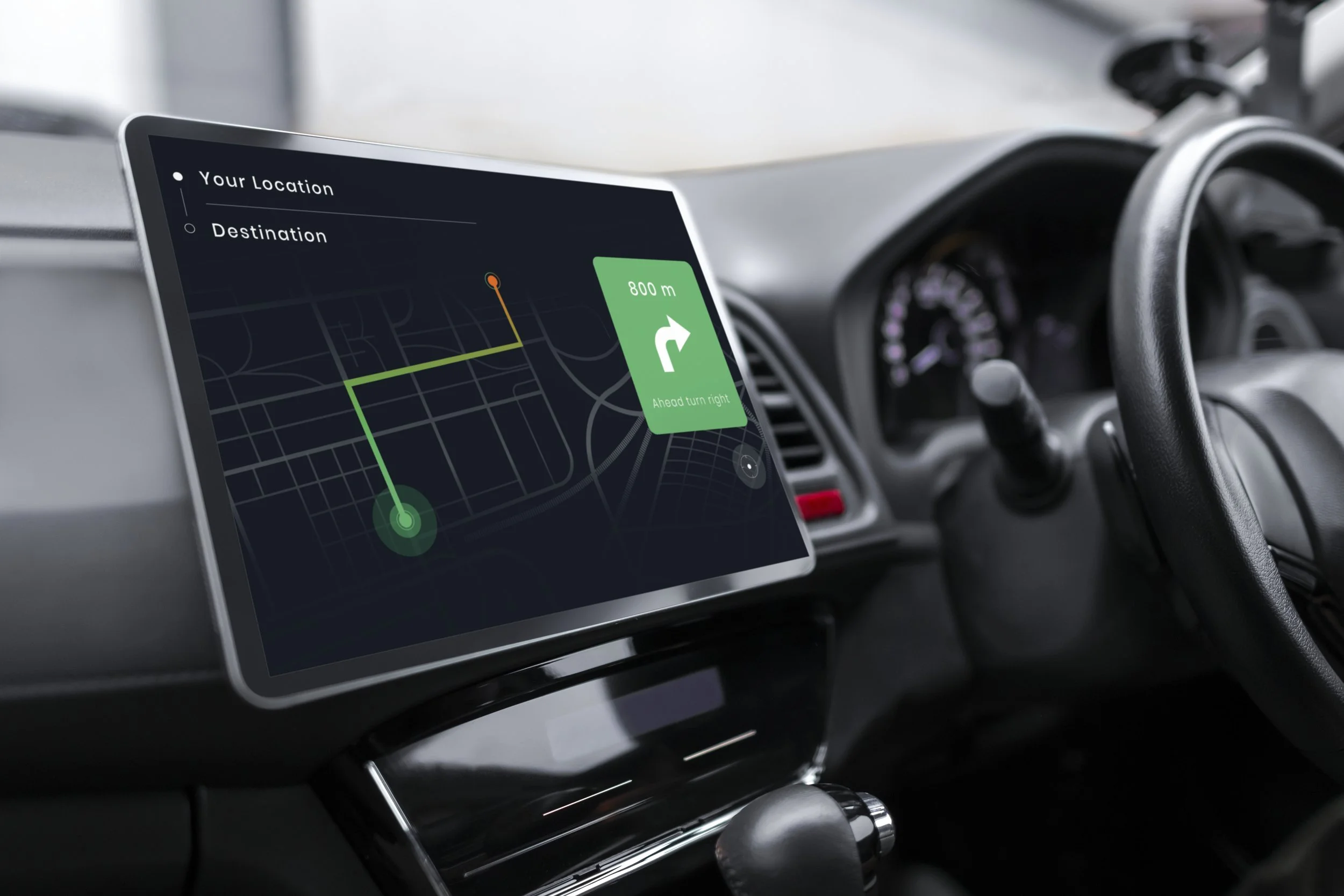
Where we work
Related Products…
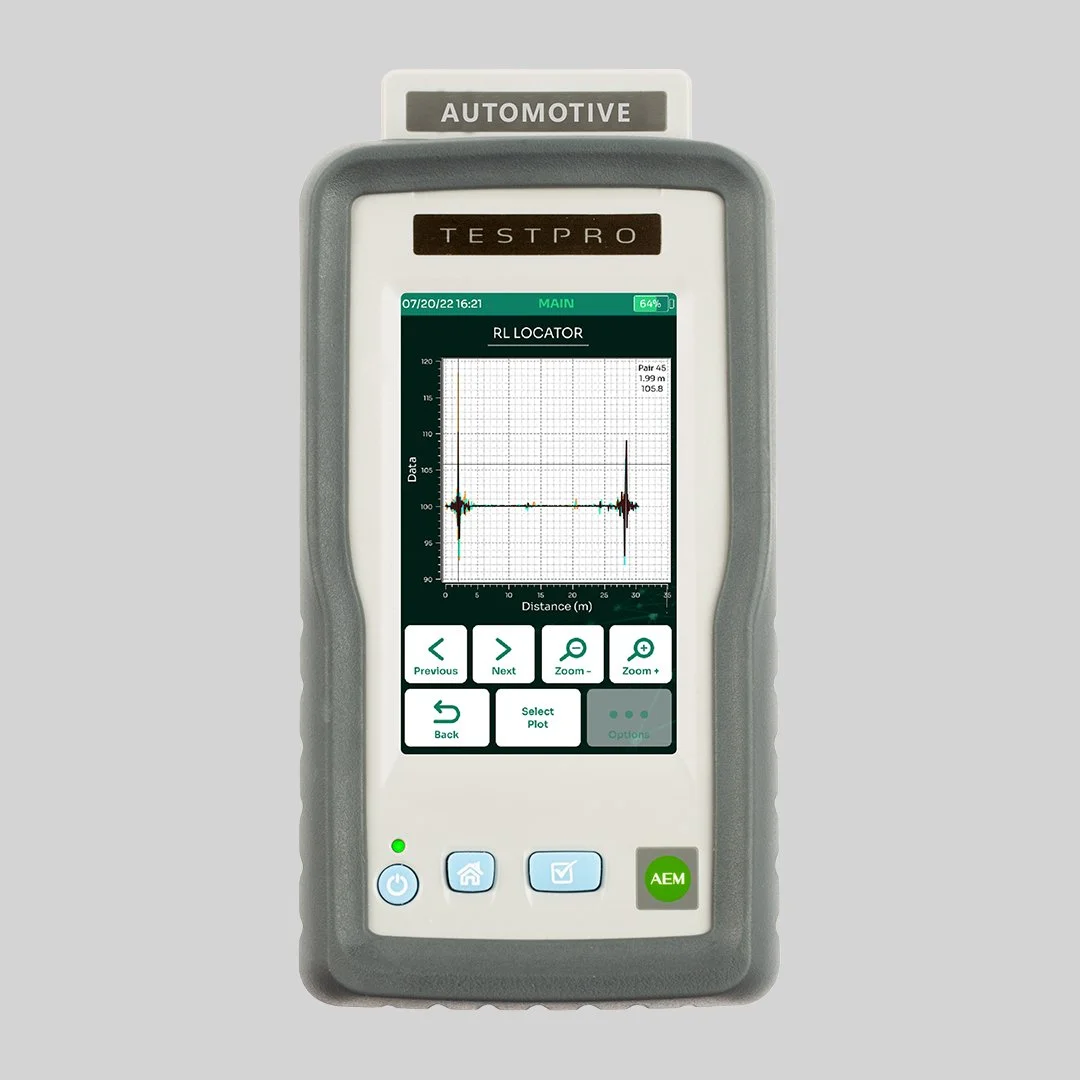
TestPro Automotive allows you to test the automotive wire harness while installed in the vehicle. This makes post production line testing and troubleshooting, as well as service centre troubleshooting much easier, than having to deploy a network analyser and PC. TestPro offers a variety of hot swappable test adapters, for your specific testing needs.
TestPro Automotive is the most versatile, customizable and user-friendly handheld test solution available for automotive wire harness troubleshooting.
BENEFITS FOR AUTOMOTIVE MANUFACTURERS
Improved Quality Control:
The tester enables you to detect defects in the installed wire harness on the production floor prior to vehicle shipping.
Increased Efficiency:
Rapid testing and diagnosis save time and resources at both the manufacturing site and service centers.
Enhanced Reliability:
Ensure the wire harness systems of the vehicles meet the highest standards, building trust with your customers.
Reduced Warranty Claims:
Identify and fix issues before they become major problems, minimizing warranty claims and associated costs.
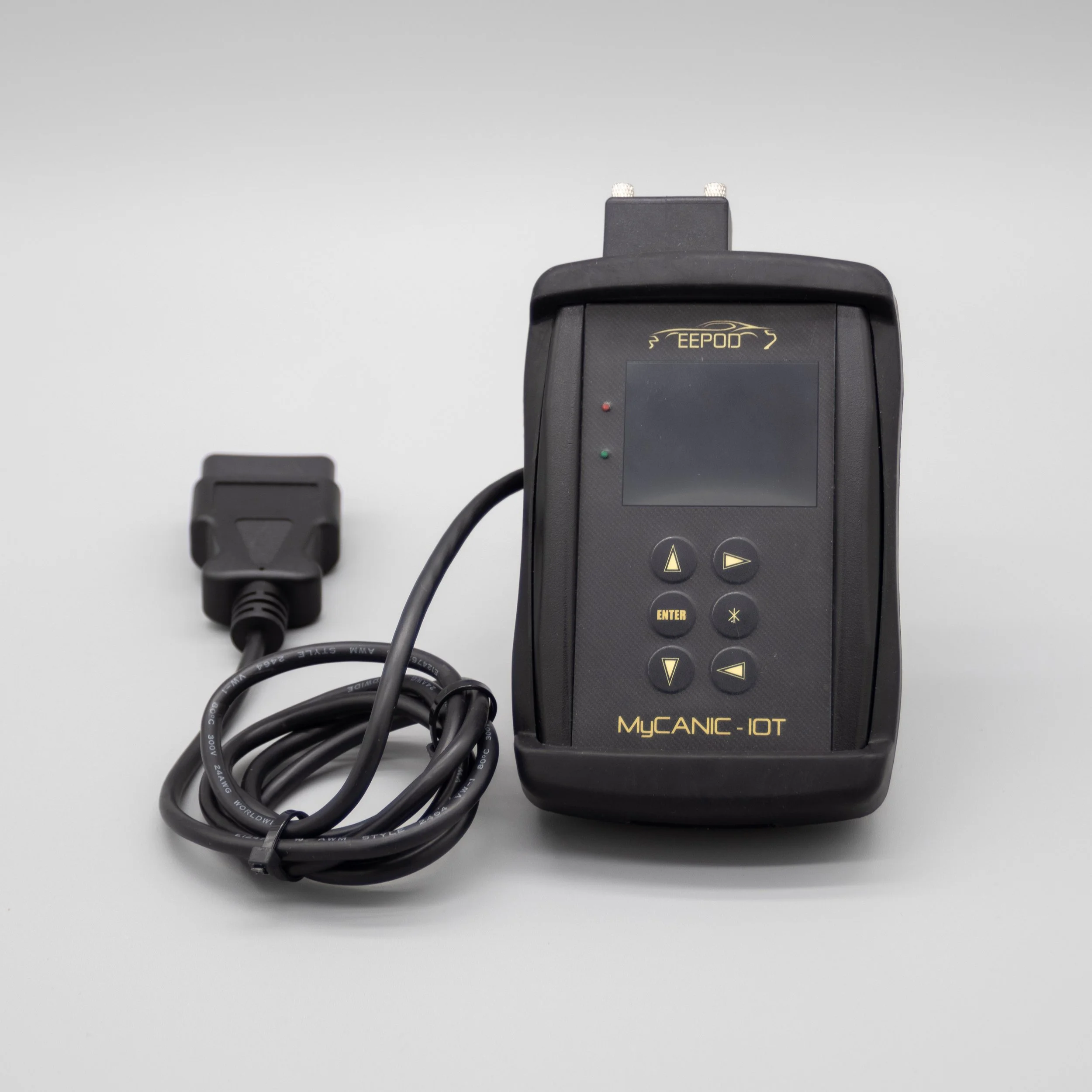
MyCANIC-IOT is a high-speed, IoT-enabled diagnostic and reprogramming tool designed for modern vehicles. It features dual CAN FD channels, LIN/K-Line channel, Ethernet, USB, and SD card support — all packed into a compact handheld device. Built for both standalone and J2534 pass-thru use, MyCANIC-IOT delivers the industry's fastest ECU reprogramming, advanced diagnostics, and seamless cloud integration.
How can you use the MyCANIC-IOT?
Combine MyCANIC-IoT with the F-Script compiler to create powerful, repeatable UDS workflows
Flash ECU software, change configuration, and perform updates with confidence
Read and write DIDs and DTCs as part of a controlled, automated process
Build guided, on-screen instructions to lead the user step-by-step through each action
Use configurable buttons and LEDs to provide clear pass/fail feedback and operator prompts
Reduce operator error and ensure consistent execution across vehicles, teams, or sites
Create guided, error-proof ECU workflows using F-Script. Click here for more information on F-script.
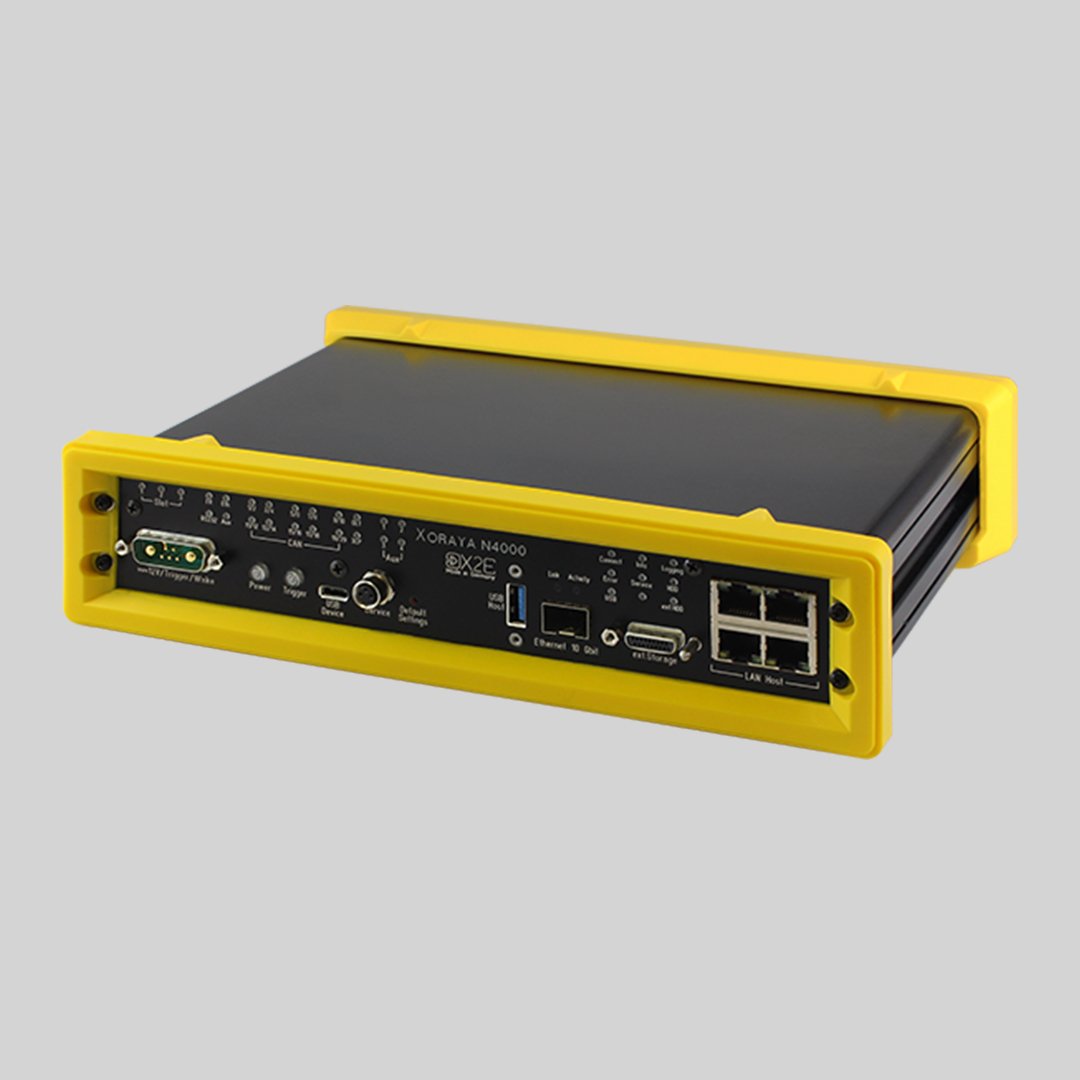
The XORAYA N4000. The latest generation of X2E’s high performance automotive data loggers. In comparison to its predecessor (XORAYA Z7), it’s a significantly more powerful hardware. Recording data with up to 3 Gbit/s. Plus, the logger is now equipped with an SFP+ interface (for 10GBase-T) and a hermetically sealed, active cooling system.